
Netherlands Jobs For Immigrants Unlocking New Horizons
Overview of Job Opportunities in the Netherlands
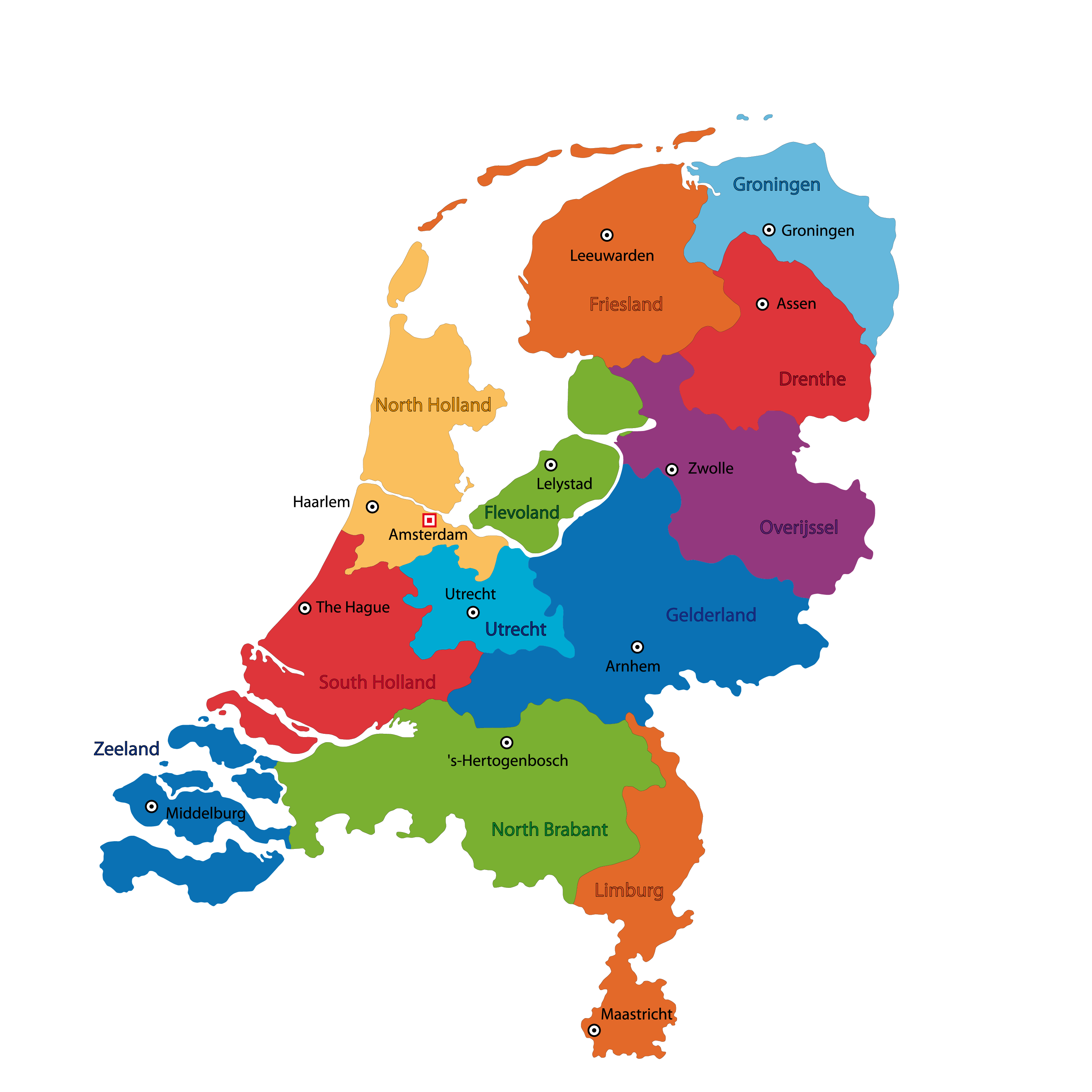
The Netherlands has emerged as a prime destination for immigrants seeking job opportunities, driven by a robust economy and a diverse labor market. With a reputation for its high standard of living and welcoming atmosphere, the country offers various employment prospects across multiple sectors, making it an attractive choice for expatriates.
The job market in the Netherlands is characterized by a steady demand for skilled professionals, particularly in industries that are pivotal to the nation’s economy. As of recent reports, sectors such as technology, healthcare, engineering, and finance are experiencing significant growth, highlighting the need for foreign talent to fill these roles. Companies are increasingly looking for international expertise to drive innovation and maintain a competitive edge, creating a favorable landscape for immigrants.
High-Demand Industries for Foreign Workers
Several industries in the Netherlands are particularly receptive to foreign workers, reflecting the nation’s focus on globalization and skilled workforce integration. Understanding these areas can help immigrants align their skills with market demands.
The following sectors are at the forefront of this trend:
- Technology and IT: The Dutch tech scene is booming, with a constant appetite for developers, data scientists, and IT specialists. Cities like Amsterdam and Eindhoven are hotbeds for startups and established tech giants, offering numerous roles with competitive salaries.
- Healthcare: With an aging population, the healthcare sector is in urgent need of professionals, including nurses, doctors, and care workers. International qualifications are often recognized, making it easier for expatriates to integrate into this system.
- Engineering: Engineers, from civil to mechanical, are in high demand due to ongoing infrastructure projects and renewable energy initiatives. Companies are actively recruiting skilled engineers to support their innovative projects.
- Finance and Business: The Netherlands is home to many multinational corporations and financial institutions, creating a robust demand for financial analysts, accountants, and business consultants. Knowledge of multiple languages and international finance regulations can provide a significant advantage.
- Creative Industries: The arts, media, and design sectors are thriving, particularly in creative cities. Graphic designers, content creators, and marketing professionals are highly sought after, contributing to the vibrant cultural landscape of the Netherlands.
The benefits of working in the Netherlands extend beyond just job security. The country is recognized for its employee-friendly policies, including a strong emphasis on work-life balance, generous vacation allowances, and social security benefits. Additionally, the multicultural work environment fosters inclusivity and diversity, allowing expatriates to thrive professionally and personally.
The combination of a thriving economy and a welcoming attitude towards immigrants makes the Netherlands one of the best places for expatriates to build their careers.
With these factors in mind, it’s clear that the Netherlands is not only a land of windmills and tulips but also a land of opportunity for skilled immigrants looking to forge successful careers.
Work Permits and Legal Requirements
Navigating the landscape of work permits and legal requirements in the Netherlands can feel overwhelming for immigrants seeking to make their mark. However, understanding the types of work permits available and the steps to secure one can significantly ease this journey. Below, we unpack the essentials, ensuring that you’re well-equipped to tackle the Dutch job market.
Types of Work Permits Available
In the Netherlands, several types of work permits cater to different employment situations for immigrants. Each type is tailored to specific categories of workers, ensuring that the immigration system remains responsive to labor market needs.
- Highly Skilled Migrant Permit: This is designed for highly skilled workers, allowing employers to recruit foreign talent efficiently. The job must meet a minimum salary threshold, which is updated annually.
- Intra-Corporate Transfer Permit: This permit is for employees of multinational companies who are transferred to a Dutch branch. It facilitates the movement of key personnel within the same organization.
- Regular Work Permit (TWV): Employers looking to hire foreign workers for roles that cannot be filled by Dutch or EU citizens must apply for this permit. It requires proof of labor market checks.
- Seasonal Work Permit: This is intended for temporary jobs, particularly in agriculture or tourism. It allows non-EU citizens to work for a limited period during high-demand seasons.
Legal Requirements for Employment, Netherlands jobs for immigrants
Before applying for a work permit, immigrants must ensure compliance with certain legal requirements set forth by the Dutch authorities. These stipulations are crucial for a smooth application process and successful employment in the Netherlands.
- Valid Passport: Immigrants must possess a passport that remains valid for the duration of their intended stay.
- Job Offer: A formal job offer from a Dutch employer is essential. The employer typically initiates the work permit application.
- Health Insurance: It is mandatory for all residents in the Netherlands to have adequate health insurance coverage.
- Language Proficiency: While not always a requirement, the ability to communicate in Dutch or English can enhance job prospects and ease integration into the workplace.
Step-by-Step Guide to Applying for a Work Permit
Applying for a work permit in the Netherlands involves a structured process that can vary depending on the type of permit being sought. Below is a detailed guide to navigating this application journey effectively.
- Secure a Job Offer: Begin by obtaining a job offer from a Dutch employer. This offer serves as the foundation for your permit application.
- Employer Initiates Application: The employer must apply for the work permit on behalf of the employee. They may need to submit various documents, including proof of the labor market check and a signed employment contract.
- Gather Required Documents: Prepare necessary documentation, such as a valid passport, proof of qualifications, and health insurance details.
- Submit Application: The employer submits the application to the Dutch Immigration and Naturalization Service (IND) or relevant authority, depending on the work permit type.
- Await Decision: The processing time for work permit applications can vary. Typically, it may take several weeks before a decision is made.
- Receive Permit: Upon approval, the work permit will be issued, allowing the immigrant to commence their employment in the Netherlands.
“Understanding the nuances of work permits in the Netherlands can make the difference between a smooth transition and a complicated journey.”
Job Search Strategies for Immigrants
Navigating the job market in a new country can be both exciting and challenging, especially for immigrants in the Netherlands. Understanding effective strategies tailored to the local landscape can significantly enhance job search success. With a dynamic economy and a growing demand for skilled workers, it’s essential to utilize the right resources and strategies to find the perfect fit.
Effective Job Search Platforms and Resources
An array of platforms exists to assist immigrants in their job search within the Netherlands. Utilizing these resources can streamline the process and maximize opportunities. Here are some notable job search platforms:
- LinkedIn: A global networking platform where professionals connect, LinkedIn is essential for job seekers. Create a compelling profile and use it to network with potential employers.
- Indeed: A popular job search engine that aggregates listings from various sources, making it easier to find job openings across sectors.
- Glassdoor: Known for company reviews, it also provides job listings. Understanding workplace culture can aid in finding a suitable employer.
- Jobbird: A Dutch job board that focuses on local job listings, making it ideal for those looking to work in specific regions across the Netherlands.
- Expatica Jobs: This platform caters specifically to expatriates and offers listings with companies that are open to hiring international candidates.
- National Employment Agency (UWV): The governmental agency provides resources, job listings, and guidance for job seekers, including immigrants.
Networking Strategies in the Dutch Job Market
Networking is crucial in the Netherlands, where personal connections often play a significant role in the hiring process. Engaging with the local community can open doors to job opportunities. Consider the following strategies:
- Join Professional Groups: Participate in industry-specific groups or associations to meet like-minded professionals and broaden your network.
- Attend Networking Events: Regularly check for networking events, conferences, and workshops that can provide valuable contacts and insights into the job market.
- Utilize Social Media: Platforms like LinkedIn and Facebook have groups and pages dedicated to job seekers and industry discussions. Actively engage in these communities.
- Informational Interviews: Request informal meetings with professionals in your field. This can provide insights into the industry and potentially lead to job opportunities.
- Volunteer: Engaging in volunteer work can expand your network while allowing you to gain local experience and demonstrate your commitment to the community.
Tailoring CVs and Cover Letters for Dutch Employers
Creating a compelling CV and cover letter that align with Dutch employer expectations is vital. Local employers appreciate specific formatting and content styles that reflect their culture. Here are key considerations:
- CV Formatting: Keep your CV concise, ideally one page, and structured. Use clear headings, bullet points, and a straightforward layout to highlight your experience and skills.
- Focus on Relevant Experience: Emphasize your work experience that directly relates to the position. Use quantifiable achievements to demonstrate your impact.
- Language Considerations: If you’re proficient in Dutch, include it on your CV. For non-Dutch speakers, ensure your documents are in English, but consider including a short section in Dutch to showcase your language skills.
- Cover Letter Personalization: Tailor each cover letter to the specific job and company. Research the company’s values and highlight how your skills align with their mission.
- Include a Personal Touch: Dutch employers value authenticity. Share personal motivations for applying and how you can contribute to their team.
“Tailoring your application materials not only showcases your suitability but also demonstrates genuine interest in the role and company.”
Cultural Integration in the Workplace

Understanding the Dutch work culture is crucial for immigrants seeking employment in the Netherlands. The Netherlands is known for its egalitarian society and a strong emphasis on direct communication, which can be quite different from the work environments many immigrants may be accustomed to. Adapting to these cultural nuances can significantly impact an immigrant’s career success and overall job satisfaction.
One of the primary challenges faced by immigrants in the Dutch workplace is navigating the directness of communication. Dutch professionals are known for their straightforwardness; they value honesty and clarity in discussions. This can initially feel abrasive to those from cultures that prioritize indirect forms of communication. Additionally, the concept of hierarchy in Dutch companies is often flatter than in many other countries. This means that employees are encouraged to share ideas and feedback openly, which may be unfamiliar to those from more hierarchical environments.
Common Challenges in Adapting
There are several specific challenges immigrants may encounter when integrating into the Dutch work culture. Recognizing these can help in finding effective solutions to overcome them:
- Language Barrier: While many Dutch people speak excellent English, there may still be nuances or workplace jargon that can be challenging for non-native speakers. This can lead to misunderstandings or feelings of isolation.
- Understanding Work-Life Balance: The Dutch highly value work-life balance, often resulting in strict boundaries between work hours and personal time. Immigrants may need to adjust their expectations regarding overtime and availability outside of normal working hours.
- Networking Differences: Networking is vital in the Dutch business landscape, and many professional relationships are built on informal connections. Immigrants may find it difficult to establish these connections if they are not familiar with local customs and social norms.
- Feedback Reception: Receiving and giving feedback is common in Dutch workplaces. For those unaccustomed to this practice, it can be challenging to accept constructive criticism without taking it personally.
Strategies for Effective Communication
Navigating a multicultural work environment requires specific strategies to foster effective communication and collaboration among colleagues from diverse backgrounds. Here are some practical approaches:
- Embrace Directness: Adopting a straightforward communication style can help build trust and clarity. Practice being open about your thoughts and feedback while also respecting the directness of your Dutch colleagues.
- Participate in Language Classes: Engaging in Dutch language courses can enhance communication skills, making it easier to connect with colleagues and understand workplace dynamics.
- Seek Feedback Actively: Regularly asking for feedback can demonstrate your willingness to learn and adapt, helping to bridge cultural gaps and improve working relationships.
- Cultural Sensitivity Training: Participating in or suggesting cultural sensitivity training sessions can be beneficial for all team members, fostering an inclusive environment that respects and values diverse perspectives.
- Build Relationships Gradually: Take time to engage with colleagues outside of formal meetings. Casual conversations during breaks or after work can help solidify relationships and ease integration into the team.
“Understanding and adapting to the Dutch work culture not only enhances professional relationships but also fosters a more inclusive and productive workplace.”
Detailed FAQs: Netherlands Jobs For Immigrants
Netherlands jobs for immigrants – What types of jobs are available for immigrants in the Netherlands?
The Netherlands offers various jobs in technology, healthcare, engineering, and hospitality, among others, with high demand for skilled professionals.
How can I find a job in the Netherlands as an immigrant?
Utilize online job platforms, attend networking events, and connect with recruitment agencies that specialize in helping immigrants.
What is the process for obtaining a work permit in the Netherlands?
The process involves finding a job offer, applying for the relevant work permit through the Dutch immigration office, and meeting specific requirements.
Do I need to speak Dutch to work in the Netherlands?
While many companies operate in English, speaking Dutch can enhance job prospects and help integrate into the workplace.
Are there any support services for immigrants seeking jobs in the Netherlands?
Yes, there are various organizations and community groups that offer resources, workshops, and mentorship for immigrants navigating the job market.