
Netherlands Jobs For Expats An Essential Guide
Job Market Overview in the Netherlands
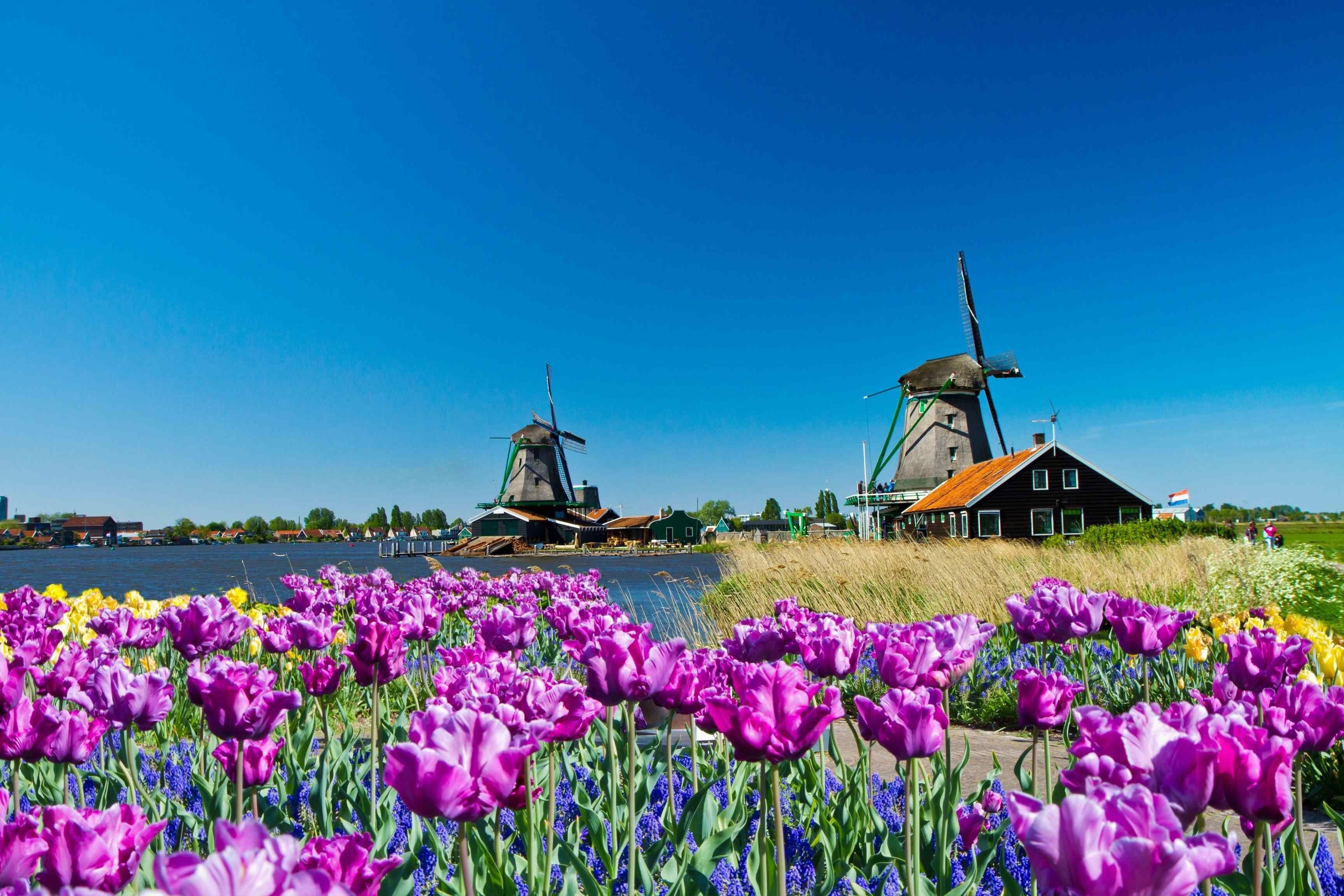
The job market in the Netherlands is thriving, especially for expats looking to make their mark in various industries. As the country continues to attract foreign talent, the demand for skilled workers remains robust, fueled by a strong economy and a progressive labor market. This dynamic environment offers numerous opportunities for those willing to explore it, making the Netherlands one of the most appealing destinations for expatriates seeking employment.
Several sectors are currently experiencing significant growth, reflecting the evolving landscape of the Dutch economy and the increasing need for international expertise. The following key industries are particularly welcoming to foreign workers, driven by innovation and a strong demand for skilled professionals.
Industries with High Demand for Foreign Workers
The Netherlands is known for its diverse economy, with several industries standing out in terms of growth and the need for expat talent. Below are some of the prominent sectors experiencing this demand:
- Technology: The IT sector is booming with a constant need for software developers, data scientists, and cybersecurity experts. Major cities like Amsterdam and Eindhoven are tech hubs hosting numerous startups and multinational corporations.
- Healthcare: With an aging population, healthcare professionals, particularly nurses and specialized doctors, are in high demand. This sector offers various opportunities for expats, especially those with relevant qualifications.
- Engineering: Fields such as civil, mechanical, and electrical engineering continue to grow, supported by an ongoing need for infrastructure development and renewable energy projects.
- Finance: The financial services sector remains strong, with many international firms seeking expat talent in areas like compliance, risk management, and financial analysis.
- Education: As the Netherlands is home to many international schools and universities, there is a consistent demand for qualified teachers and educational professionals.
Average Salary Ranges for Expats in Various Industries
Understanding salary ranges across different sectors is crucial for expats considering employment opportunities in the Netherlands. The average salaries can significantly vary based on experience, qualifications, and the specific industry. Below are some general insights based on recent data:
| Industry | Average Salary (Annual) |
|---|---|
| Technology | €50,000 – €80,000 |
| Healthcare | €40,000 – €70,000 |
| Engineering | €45,000 – €75,000 |
| Finance | €50,000 – €90,000 |
| Education | €35,000 – €60,000 |
“The average salary for expats in the Netherlands is competitive, often reflecting the high quality of life and excellent work-life balance that the country provides.”
These salary ranges indicate the lucrative nature of the job market in the Netherlands, showcasing the potential for career advancement and financial stability for expats in various fields. As the demand for skilled labor continues to grow, the Netherlands remains a promising destination for international talent.
Work Visa and Immigration Process
Navigating the work visa and immigration process in the Netherlands can be a complex journey for expats. Understanding the various steps and requirements is essential for a smooth transition into the Dutch job market. This guide Artikels the necessary actions to secure a work visa, the types of permits available, and the immigration laws that may impact expats.
Steps to Obtain a Work Visa, Netherlands jobs for expats
Securing a work visa in the Netherlands involves several key steps. The process can vary depending on the type of visa required and the individual’s specific situation.
- Determine Eligibility: Assess whether you meet the qualifications for a Dutch work visa based on your nationality, employment offer, and other personal circumstances.
- Gather Required Documents: Compile essential documents, including a valid passport, proof of employment, educational qualifications, and any additional documentation required by the immigration authorities.
- Employer Application: Your employer in the Netherlands must apply for a work permit on your behalf, demonstrating that they have made efforts to hire locally.
- Submit Application: Once the employer receives confirmation of the work permit, you can submit your visa application to the Dutch consulate or embassy in your home country.
- Attend Interview: Depending on your nationality, you may need to attend an interview at the consulate to finalize the application.
- Receive Visa: If approved, you will receive your work visa, allowing you to enter and work in the Netherlands.
Types of Work Permits
Various types of work permits are available in the Netherlands, each catering to different categories of workers and their specific situations. Understanding these permits is crucial for expats seeking employment.
- Highly Skilled Migrant Permit: This permit is designed for expats with specific expertise or talent. Eligibility requires a job offer from a recognized sponsor and meeting a minimum salary threshold.
- Intra-Company Transfer Permit: This is for employees of multinational companies being transferred to a Dutch branch. Eligibility criteria include being employed by the company for a minimum period before the transfer.
- Seasonal Work Permit: Designed for temporary workers in sectors like agriculture or tourism, this permit allows employment for a limited duration during peak seasons.
- EU Blue Card: This is intended for highly educated workers from outside the EU. Applicants must have a job offer with a salary above a specific level and must possess a higher education qualification.
- Entrepreneur Permit: For those wishing to start a business in the Netherlands, this permit is granted based on a solid business plan and potential economic contribution.
Immigration Laws Affecting Expats
Several immigration laws impact expats and their ability to work in the Netherlands. These regulations aim to balance the needs of the local labor market with the skills brought by foreign workers.
Expats must remain aware of changes in immigration policies, which can affect their residency status and work permit validity.
The key laws include:
– The Dutch Immigration and Naturalisation Service (IND) regulates the issuance of work permits and visas.
– The Labor Market Test mandates that employers demonstrate efforts to recruit local talent before hiring from abroad, ensuring that expats are not hired at the expense of local workers.
– Recent revisions to immigration policy have emphasized the need for companies to focus on sustainable employment practices for foreign workers, promoting long-term integration into Dutch society.
By familiarizing themselves with these laws and requirements, expats can effectively navigate the challenges of the immigration process and enhance their opportunities in the Dutch job market.
Finding Employment Opportunities
Searching for employment in the Netherlands can be both exciting and challenging for expats. With a vibrant job market and a welcoming expat community, there are numerous avenues to explore for finding the right job. Understanding how to navigate this landscape is crucial for success, and various strategies can help enhance your chances of landing a job that fits your skills and aspirations.
One effective strategy for expats seeking employment is to leverage online job platforms specifically designed for international professionals. Additionally, networking plays a vital role in the Dutch job market, as personal connections can lead to job opportunities that may not be advertised publicly. Below are some recommended platforms and tips that can assist expats during their job search.
Job Search Platforms for Expats
Utilizing the right job search platforms tailored for expats can significantly ease the job-hunting process. These platforms often feature listings from companies open to hiring international talent and provide resources to navigate the local job market. Here is a list of top job websites that cater specifically to expats:
- IamExpat Jobs: A dedicated job portal for expats in the Netherlands, showcasing a variety of job listings across different industries.
- Expatica Jobs: This site offers a broad range of job opportunities and is specifically aimed at expatriates living in the country.
- LinkedIn: A powerful networking tool where expats can connect with professionals, join local groups, and find job postings tailored to their experience.
- Indeed.nl: The Dutch version of Indeed, featuring extensive job listings from various sectors, including those looking for English-speaking employees.
- Glassdoor: Besides job listings, Glassdoor offers company reviews, salary insights, and interview tips, which can be invaluable for new job seekers.
Networking Opportunities for Expats
Networking is an indispensable part of the job search process in the Netherlands. The Dutch workplace often values personal connections and recommendations from trusted sources. Engaging in networking events or professional organizations can prove beneficial. Notably, there are various opportunities available for expats to build their networks effectively.
Participating in industry-specific conferences, workshops, and seminars is a fantastic way to meet potential employers and fellow expats. Additionally, many cities in the Netherlands host expat meetups, where individuals can connect and share experiences. These gatherings often provide an informal environment to exchange ideas and job leads.
“Building a network is not just about finding a job; it’s about creating relationships that can support your career growth in the long run.”
In summary, expats searching for employment in the Netherlands should prioritize utilizing specialized job platforms and actively engage in networking opportunities to enhance their job search experience. By adopting these strategies, they can significantly increase their chances of finding fulfilling employment in this dynamic job market.
Cultural Adaptation in the Workplace
Navigating the workplace culture in the Netherlands can be both an exciting and challenging experience for expats. The Dutch work environment has its own unique set of values, communication styles, and social norms that differ significantly from those in other countries. Understanding these cultural nuances can enhance collaboration and help expats thrive in their roles.
The Dutch workplace is characterized by a strong emphasis on directness, egalitarianism, and work-life balance. Expats may encounter a more straightforward communication style, where colleagues express their opinions openly, often challenging ideas in a constructive manner. This can be a refreshing change for some but may come off as blunt or rude to others unfamiliar with this approach. Furthermore, the Dutch value mutual respect and equality, which often leads to a less hierarchical corporate structure, allowing for collaborative teamwork and shared decision-making.
Key Cultural Differences in Dutch Workplaces
Understanding the key cultural differences can greatly assist expats in adapting to their new work environment. Here are some of the main characteristics to be aware of:
- Direct Communication: The Dutch appreciate honesty and straightforwardness in conversations. This means that feedback is often delivered in a clear-cut manner, with less emphasis on diplomatic language.
- Egalitarian Structure: Hierarchies are flatter in Dutch companies, and employees at all levels are encouraged to share their thoughts and contribute to discussions.
- Work-Life Balance: There is a strong cultural emphasis on maintaining a healthy balance between work and personal life. Employees often prioritize family time and leisure activities.
- Consensus-Based Decision Making: Decisions are typically made collectively, with input from various team members. This collaborative approach can slow down the decision-making process but fosters a sense of ownership among employees.
Expats can enhance their integration into the workplace by adjusting their communication style and being open to feedback. Engaging with local colleagues and participating actively in team discussions can further ease the adjustment process.
Improving Communication and Collaboration
Fostering effective communication and collaboration with local colleagues is crucial for expats. Here are strategies to enhance interactions in the Dutch workplace:
- Be Open to Feedback: Embrace the directness of communication. Understand that constructive criticism is intended to improve outcomes rather than offend.
- Participate Actively: Engage in discussions, share ideas, and offer suggestions during meetings to build rapport with colleagues.
- Ask Questions: If unsure about a process or project, asking questions demonstrates a willingness to learn and adapt, which is often appreciated by Dutch coworkers.
- Respect Work-Life Boundaries: Acknowledge the importance of personal time and avoid contacting colleagues outside of work hours unless it’s urgent.
By applying these strategies, expats can develop meaningful workplace relationships and contribute effectively to their teams.
Resources for Cultural Acclimation
Several resources and programs exist to assist expats in acclimating to the Dutch work culture, making the transition smoother. Utilizing these tools can provide valuable insights and networking opportunities:
- Expat Centers: Many cities in the Netherlands have dedicated expat centers that offer advice and support for newcomers, including assistance with integration into the workplace.
- Cultural Workshops: Organizations often provide workshops focused on cultural differences and effective communication strategies, tailored for expats.
- Networking Events: Join local expat groups or business networks to meet other professionals and share experiences, creating a support system.
- Online Resources: Websites and forums dedicated to expats can provide tips, articles, and community support for navigating the Dutch business environment.
Leveraging these resources can enhance understanding and ease the cultural adjustment process, setting the stage for a successful career in the Netherlands.
Detailed FAQs: Netherlands Jobs For Expats
Netherlands jobs for expats – What types of jobs are available for expats in the Netherlands?
Expats can find opportunities in various sectors, including IT, engineering, healthcare, and finance, with many companies actively seeking international talent.
How long does the work visa process take?
The work visa process can take anywhere from a few weeks to several months, depending on the type of visa and the applicant’s nationality.
Are there language requirements for jobs in the Netherlands?
While many companies operate in English, especially in international settings, knowledge of Dutch can be beneficial and sometimes required for specific positions.
How can expats network effectively in the Netherlands?
Expats can network through professional events, online platforms like LinkedIn, and local expat communities that foster connections and opportunities.
What are the key cultural differences expats should be aware of?
Key cultural differences include a direct communication style, value for work-life balance, and a collaborative approach to teamwork, which may differ from other countries.