
Netherlands Jobs For Immigrants Unlocking Opportunities
Overview of Job Opportunities in the Netherlands for Immigrants
The Netherlands has emerged as a favorable destination for immigrants seeking employment, thanks to its dynamic job market and robust economy. In recent years, the demand for foreign labor has grown, driven by various sectors that require skilled workers. This trend not only provides immigrants with opportunities but also contributes to the overall economic stability of the country.
The job market in the Netherlands reflects a diverse landscape where immigrants play a crucial role. Key sectors with a high demand for foreign labor include technology, healthcare, and hospitality. As the workforce continues to evolve, the integration of immigrants into various industries is essential for maintaining competitiveness and driving innovation.
Key Sectors Driving Demand for Foreign Labor
Understanding which sectors are actively recruiting can empower immigrants to target their job searches effectively. The following sectors stand out for their consistent need for skilled workers:
- Technology: The tech industry in the Netherlands is booming, with a significant need for software developers, data analysts, and cybersecurity experts. Cities like Amsterdam and Eindhoven are recognized as tech hubs, attracting multinational companies and startups alike.
- Healthcare: With an aging population, the healthcare sector is experiencing a surge in demand for professionals including nurses, doctors, and caregivers. The Dutch government actively encourages foreign healthcare workers to fill these critical roles.
- Hospitality: As a popular tourist destination, the Netherlands has a vibrant hospitality industry that needs chefs, waitstaff, and hotel management personnel. This sector often offers flexible job opportunities suitable for immigrants.
Statistics highlight the growing presence of immigrants in the workforce. According to data from Statistics Netherlands (CBS), as of 2022, around 25% of the workforce in the Netherlands comprised immigrants, a figure that outpaces many other European countries. Furthermore, immigrant employment rates have shown significant improvement, with many sectors reporting higher employment rates among immigrants compared to native workers, particularly in fields like technology and healthcare.
“Immigrants in the Netherlands contribute significantly to the economy, with employment rates that often exceed those of local workers in key industries.”
This positive trend illustrates the importance of immigrants in filling labor shortages and enhancing the productivity of various sectors, thereby solidifying their role in the Dutch economy.
Work Visa Requirements and Application Process
Navigating the process of obtaining a work visa for the Netherlands can seem daunting for immigrants aspiring to build a career in this vibrant country. Understanding the types of visas available and the steps involved in the application process is crucial for a successful transition. This guide aims to clarify the requirements and provide a structured approach to acquiring a work visa.
Types of Work Visas for Immigrants
The Netherlands offers several types of work visas tailored to different employment scenarios. Each visa serves specific purposes and comes with its own set of requirements, making it essential to choose the right one based on individual circumstances. The main types of work visas include:
- Highly Skilled Migrant Visa: Designed for individuals with exceptional talents or skills, particularly in fields that are in high demand.
- Intra-Company Transfer Visa: For employees of multinational companies moving to the Dutch branch.
- Seasonal Worker Visa: Specifically for workers employed in sectors like agriculture and tourism during peak seasons.
- Regular Work Visa: For individuals who have received a job offer from a Dutch employer.
- Entrepreneur Visa: For those looking to establish their own business in the Netherlands.
Step-by-Step Application Process for a Work Visa, Netherlands jobs for immigrants
Understanding the application process is key to a smooth transition. The following steps Artikel the general procedure for applying for a work visa in the Netherlands:
- Secure a Job Offer: Before applying for a work visa, you must have a job offer from a Dutch employer who is recognized by the Dutch immigration authorities.
- Employer Applies for a Work Permit: Your employer must apply for a work permit (if required) on your behalf. This step is crucial for visas like the Highly Skilled Migrant Visa.
- Gather Required Documents: Collect all necessary documentation, which typically includes your passport, proof of employment, and educational qualifications.
- Submit Your Application: Complete and submit the visa application form, along with the required documents to the Dutch embassy or consulate in your country.
- Pay the Application Fee: Ensure that the visa application fee is paid. The fee amount may vary depending on the type of visa.
- Wait for Processing: Processing times can vary. While some visas might be processed quickly, others may take several weeks. Stay informed about your application status.
- Receive Your Visa: Upon approval, you will receive your visa, allowing you to enter the Netherlands and start your new job.
Documents and Qualifications Required for Work Visa
To successfully apply for a work visa, certain documents and qualifications are mandatory. Having these ready and accurately prepared can significantly enhance your chances of a successful application. Key documents typically include:
- Valid Passport: A passport that is valid for at least the duration of your stay in the Netherlands.
- Employment Contract: Proof of employment that includes details about your position, salary, and duration of the contract.
- Qualifications: Diplomas and certifications that demonstrate your professional qualifications related to the job.
- Proof of Work Permit: If applicable, a work permit issued by the employer.
- Health Insurance: Evidence of health insurance coverage valid in the Netherlands.
“Preparation is key to a successful visa application. Gather all required documents meticulously to avoid delays.”
Cultural Adaptation and Integration into the Workforce: Netherlands Jobs For Immigrants
Adapting to a new culture is one of the most significant challenges immigrants face when entering the Dutch workforce. Cultural awareness not only fosters a harmonious work environment but also enhances productivity and collaboration among diverse teams. Understanding the cultural nuances of the Netherlands is crucial for immigrants aiming to build successful careers and establish meaningful relationships with colleagues.
The Dutch work culture is characterized by values such as direct communication, egalitarianism, and a strong work-life balance. Immigrants must embrace these values to integrate effectively into their new environment. This process involves learning about local customs, workplace etiquette, and social norms that influence interactions and expectations within professional settings.
Strategies for Effective Communication in a Multicultural Work Environment
Effective communication is essential for collaboration in a diverse workplace. The following strategies can help immigrants navigate communication challenges and build rapport with colleagues:
- Practice Active Listening: Show genuine interest in what your colleagues say. This fosters trust and encourages open dialogue.
- Be Clear and Concise: The Dutch value straightforwardness. Avoid jargon and complicated phrases to ensure your message is understood.
- Ask Questions: If unsure about something, do not hesitate to ask. This demonstrates your willingness to learn and adapt.
- Embrace Feedback: Be open to constructive criticism, as it is a common practice in the Dutch work culture aimed at improvement.
- Use Humor Wisely: Humor can be a great icebreaker, but be cautious as cultural sensitivities vary. Ensure your jokes are appropriate and inclusive.
In addition to communication strategies, immigrants can improve their integration into the workforce by accessing various resources aimed at enhancing their Dutch language skills and cultural understanding.
Resources for Improving Dutch Language Skills and Cultural Understanding
Acquiring language proficiency and cultural knowledge can significantly ease the transition into the Dutch workforce. Immigrants can utilize the following resources:
- Language Courses: Many organizations and community centers offer Dutch language courses tailored to different levels, ensuring that immigrants can find a suitable class.
- Online Platforms: Websites like Duolingo, Babbel, and Nederlandse Taalunie provide interactive modules for learning Dutch at your own pace.
- Cultural Workshops: Participating in workshops focusing on Dutch culture, etiquette, and business practices can enhance cultural awareness and facilitate smoother interactions.
- Community Groups: Joining expat or immigrant groups can provide support, networking opportunities, and a platform to share experiences.
- Local Libraries: Libraries often offer free resources, classes, and events that help improve language skills and cultural knowledge.
By taking advantage of these resources and strategies, immigrants can effectively adapt to the Dutch workforce, fostering a sense of belonging and ensuring a fruitful career in the Netherlands.
Networking and Job Search Strategies
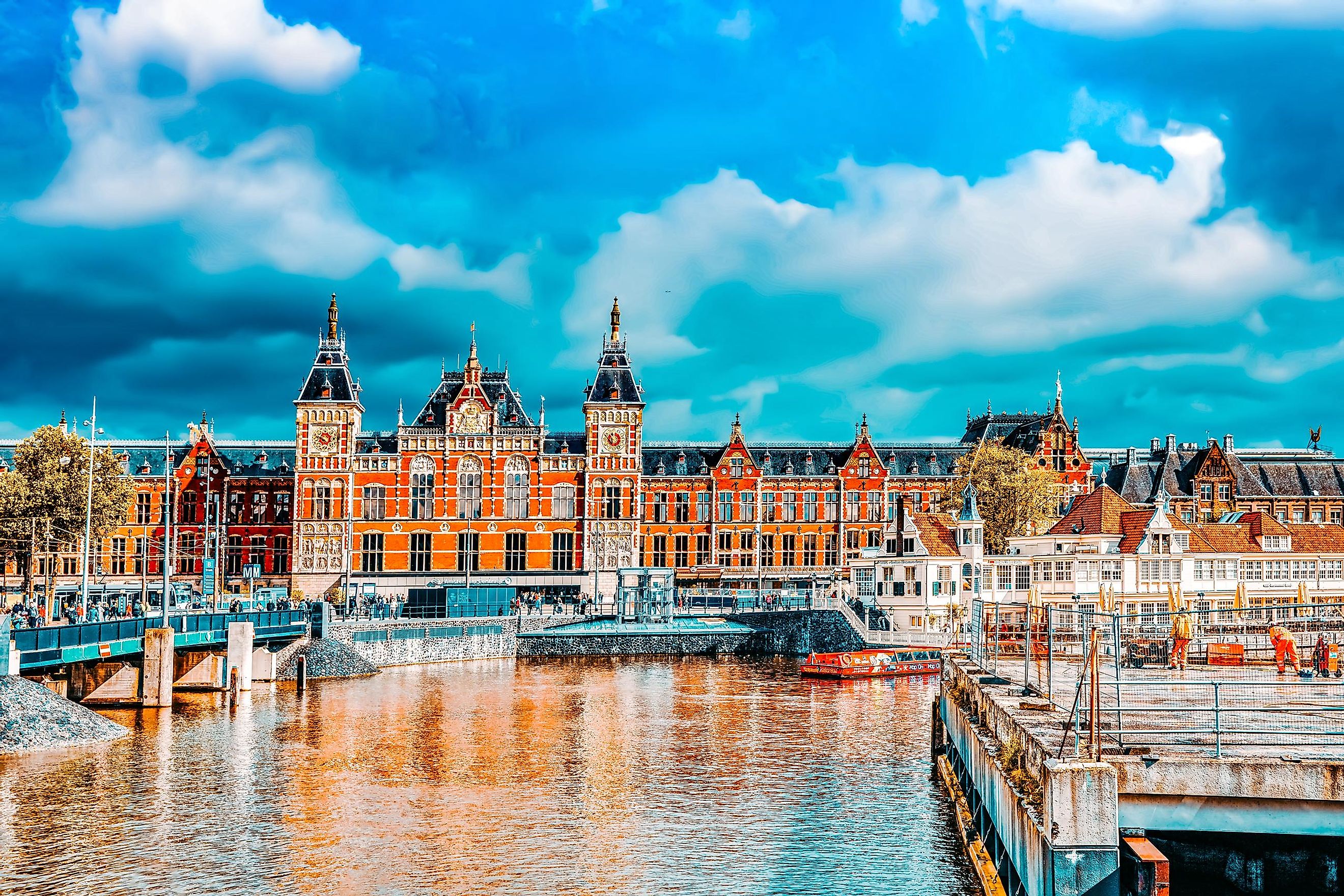
Navigating the job market in a new country can be both exciting and challenging, especially for immigrants in the Netherlands. Building a strong professional network and utilizing effective job search strategies are essential for securing employment. This section provides a guide to online platforms that cater specifically to immigrants, as well as actionable networking tips and CV crafting advice tailored to the Dutch employment landscape.
Online Platforms and Job Boards for Immigrants
In the digital age, leveraging online platforms is crucial for job seekers, particularly those from abroad. Various job boards and websites specifically cater to immigrants looking for opportunities in the Netherlands. These platforms not only list job vacancies but also provide resources and support for newcomers.
- IamExpat – A comprehensive portal offering job listings, expat news, and useful resources for foreigners living in the Netherlands.
- Expatica Jobs – This site features job vacancies specifically for expatriates, alongside helpful articles on living and working in the Netherlands.
- LinkedIn – Beyond traditional networking, LinkedIn’s job search function allows users to filter jobs by location and industry, making it a valuable tool for immigrants.
- Glassdoor – Known for company reviews, Glassdoor also lists job opportunities and salary insights, which can help immigrants gauge the market.
- Job in Amsterdam – Focused on opportunities in Amsterdam, this site is ideal for those targeting jobs in the capital.
- Monsterboard – A major job board in the Netherlands, offering a wide range of job listings along with career advice.
Effective Networking Strategies
Networking is a pivotal aspect of job searching, especially in the Dutch market where personal connections can significantly influence hiring decisions. Building relationships and engaging with local professionals can open doors to unadvertised job opportunities.
- Join expat groups and communities such as Meetup or InterNations to connect with fellow immigrants and locals.
- Attend industry-specific conferences, workshops, and networking events to meet potential employers and industry leaders.
- Utilize LinkedIn to connect with professionals in your field, engage with their content, and participate in relevant discussions to increase visibility.
- Reach out for informational interviews with professionals in your target industry; this can provide insights into the market and showcase your interest.
- Volunteer in local organizations or initiatives to meet people, gain experience, and demonstrate your commitment to the community.
Crafting a CV and Cover Letter for the Dutch Job Market
A well-structured CV and a tailored cover letter are essential tools in the job application process. Understanding the expectations of the Dutch job market can enhance your chances of securing an interview.
- Your CV should be concise, ideally one to two pages, and should include relevant personal information, education, work experience, and skills.
- Highlight your language skills, especially if you’re proficient in Dutch; this is often a key consideration for employers.
- Use bullet points for clarity and ensure your CV is free of clutter, focusing on key achievements and responsibilities.
- In your cover letter, address the employer directly and explain why you are interested in the position and how your background aligns with the company’s goals.
- Tailor each application to the specific job by incorporating s from the job description, which can be helpful for applicant tracking systems.
FAQ Overview
Netherlands jobs for immigrants – What are the most in-demand jobs for immigrants in the Netherlands?
Jobs in technology, healthcare, and hospitality are currently in high demand for immigrants.
How long does it take to get a work visa for the Netherlands?
The processing time for a work visa can range from a few weeks to several months, depending on the type of visa and your circumstances.
Do I need to speak Dutch to find a job in the Netherlands?
While many companies operate in English, learning Dutch can significantly improve your job prospects and help you integrate into the workplace.
Are there any support services for immigrants looking for jobs?
Yes, there are numerous organizations and online platforms that offer resources and support for immigrants seeking employment in the Netherlands.
Can I apply for a work visa while still in my home country?
Yes, you can apply for a work visa from your home country, provided you have a job offer from a Dutch employer.