
Engineering Jobs Netherlands Visa Sponsorship Opportunities
Job Opportunities in Engineering in the Netherlands: Engineering Jobs Netherlands Visa Sponsorship
The Netherlands has become a prominent hub for engineering jobs, attracting talent from across the globe. With its innovative landscape and strong economy, the country offers a wealth of opportunities for engineers in various fields. As sectors expand and technology evolves, the demand for skilled professionals continues to rise, making it an ideal destination for those seeking a fulfilling career.
The Dutch engineering sector is characterized by diverse industries, each requiring specific expertise and skill sets. As companies pursue technological advancements and sustainable solutions, particular engineering roles are seeing significant growth. In this context, it’s essential to understand the key industries hiring engineers and the skills that are in high demand.
Key Industries Hiring Engineers
Several industries in the Netherlands are actively seeking engineers, each contributing to the country’s economic growth. The following sectors are the most notable:
- Technology and IT: With the rapid evolution of technology, software and hardware engineering roles are vital to support innovation.
- Manufacturing: The Netherlands is home to advanced manufacturing facilities, particularly in sectors like automotive and aerospace, requiring mechanical and industrial engineers.
- Energy: The shift towards renewable energy sources has led to a rising demand for engineers specializing in sustainable technologies and energy management.
- Construction: Urbanization and infrastructure development create a need for civil and structural engineers to design and manage projects.
- Healthcare: Biomedical engineering is on the rise as the healthcare industry looks for innovations to enhance patient care.
In-Demand Engineering Roles and Skill Sets
As the job market evolves, certain roles have emerged as particularly sought after. Engineers must adapt their skill sets to meet industry needs, which includes both technical abilities and soft skills. The following roles are among the most in-demand:
- Software Engineers: Proficient in programming languages and software development methodologies.
- Mechanical Engineers: Skilled in designing and analyzing mechanical systems, often using CAD software.
- Civil Engineers: Experts in project management and infrastructure design, with a strong grasp of local regulations.
- Electrical Engineers: Knowledgeable in circuit design and electrical systems, essential for various applications.
- Data Scientists: With the rise of big data, engineers who can analyze and interpret complex data sets are highly valued.
Statistics on Job Growth in Engineering, Engineering jobs netherlands visa sponsorship
The growth trajectory for engineering jobs in the Netherlands is promising, driven by both local demand and international collaborations. According to recent data from the Dutch Bureau for Statistics, engineering jobs have seen a steady increase over the past five years, with projections indicating growth rates of approximately 10% in the engineering sector by 2025.
This job growth is further emphasized by the increasing number of engineering graduates entering the workforce, with universities producing skilled professionals ready to meet industry demands.
“Engineering roles in the Netherlands are expected to expand substantially, reflecting the country’s commitment to innovation and sustainability.”
Overall, the Netherlands continues to present a fertile landscape for engineering professionals, characterized by numerous opportunities across various industries and a strong emphasis on technological advancement.
Visa Sponsorship Process for Engineers
Navigating the visa sponsorship process can be daunting for engineers seeking job opportunities in the Netherlands. Understanding the step-by-step procedure not only simplifies the journey but also enhances your chances of success. This guide Artikels the essential steps, required documentation, and common challenges faced by international applicants.
Step-by-Step Visa Sponsorship Process
The process of obtaining visa sponsorship for engineering jobs in the Netherlands involves several key steps. Each step is crucial for ensuring that your application is complete and meets the necessary requirements set by Dutch immigration authorities.
- Secure a Job Offer: The first step is to obtain a job offer from a Dutch employer willing to sponsor your visa.
- Employer Applies for a Work Permit: Your employer must apply for a work permit (Single Permit, or GVVA) on your behalf through the Dutch Immigration and Naturalisation Service (IND).
- Gather Required Documentation: You will need to compile all necessary documents for your visa application, which will be detailed later.
- Submit Your Visa Application: Once the work permit is approved, you can submit your application for a residence permit.
- Await Processing: The processing time can vary, typically taking several weeks to a few months.
- Receive Your Visa: Upon approval, you will receive your visa allowing you to work and live in the Netherlands.
Required Documentation for Visa Applications
When applying for a visa sponsorship, several documents are mandatory to prove your eligibility and suitability for employment in the Netherlands. These documents not only facilitate your visa application but also provide a transparent view of your qualifications.
- Valid Passport: A passport that is valid for at least six months beyond your planned stay.
- Job Offer Letter: An official letter from your employer detailing the job position, salary, and duration of employment.
- Proof of Qualifications: Diplomas, transcripts, and certifications relevant to your engineering field.
- Curriculum Vitae: An updated CV outlining your professional experience and skills.
- Health Insurance: Proof of health insurance coverage that meets the Dutch requirements.
- Language Proficiency: Evidence of proficiency in Dutch or English, depending on job requirements.
Common Challenges Faced by International Applicants
International applicants often encounter various challenges when seeking visa sponsorship. Being aware of these hurdles can help prepare you for a smoother application experience.
Understanding common challenges can reduce frustration and improve your chances of a successful application.
- Lengthy Processing Times: Visa applications can take longer than expected, causing delays in starting your job.
- Documentation Requirements: Missing or incorrect documents can lead to application rejection.
- Employer Reluctance: Not all companies are familiar with the visa process, leading to hesitation in sponsorship.
- Cultural Barriers: Adapting to different cultural norms in the workplace can be challenging for international recruits.
Work Culture and Environment in Dutch Engineering Firms
In the Netherlands, engineering firms are renowned for their progressive work culture and innovative environments. This unique atmosphere fosters collaboration, creativity, and a strong sense of community among employees. With a focus on work-life balance and employee well-being, Dutch engineering companies often provide a supportive framework that encourages personal and professional growth.
The Dutch work culture is characterized by a flat organizational structure, where hierarchy is minimal, allowing for open communication and idea sharing. Employees are often encouraged to express their opinions and contribute actively to decision-making processes. This democratic approach not only enhances job satisfaction but also leads to better project outcomes.
Benefits of Working in Dutch Engineering Environments
The benefits of engaging in engineering roles within the Netherlands are manifold. One of the most significant advantages is the emphasis on work-life balance. Dutch firms typically offer flexible working hours and an encouraging attitude towards remote work, which supports employees in managing their personal and professional lives effectively.
In addition to work-life balance, the Dutch engineering sector is well-known for its commitment to innovation. Companies invest heavily in research and development, granting engineers access to cutting-edge technologies and methodologies. This exposure not only enhances skill sets but also keeps employees engaged and motivated.
- Collaborative Environment: Teamwork is highly valued, making it easier for engineers to exchange ideas and collaborate on projects.
- Continual Learning: Many firms offer training programs and workshops, ensuring that employees remain competitive in their fields.
- International Work Culture: The presence of numerous multinational companies fosters a diverse workplace, enriching the work experience.
Challenges in Dutch Engineering Firms
While there are numerous benefits, working in Dutch engineering environments is not without its challenges. One notable challenge is the expectation of high performance and accountability. Employees are often tasked with significant responsibilities, and the pressure to meet project deadlines can sometimes lead to stress.
Furthermore, the consensus-driven decision-making process, while beneficial for inclusivity, can slow down project timelines. Employees may find themselves in lengthy discussions before reaching consensus, which may hinder swift execution.
Work-Life Balance in Comparison to Other Countries
The work-life balance in the Netherlands stands out when compared to engineering roles in other countries. Unlike in the United States, where long hours are often normalized and vacation time is limited, Dutch engineers typically enjoy a structured 40-hour work week with generous vacation allowances.
For instance, in many Dutch firms, employees receive an average of 25 vacation days per year, plus public holidays. This is considerably higher than in countries like Japan, where the work culture often emphasizes dedication to the job at the expense of personal time. The cultural emphasis on taking time off allows Dutch engineers to recharge, leading to increased productivity and job satisfaction.
“In the Netherlands, achieving a balance between personal and professional life is seen as essential for long-term success.”
Resources for International Engineers Seeking Jobs in the Netherlands
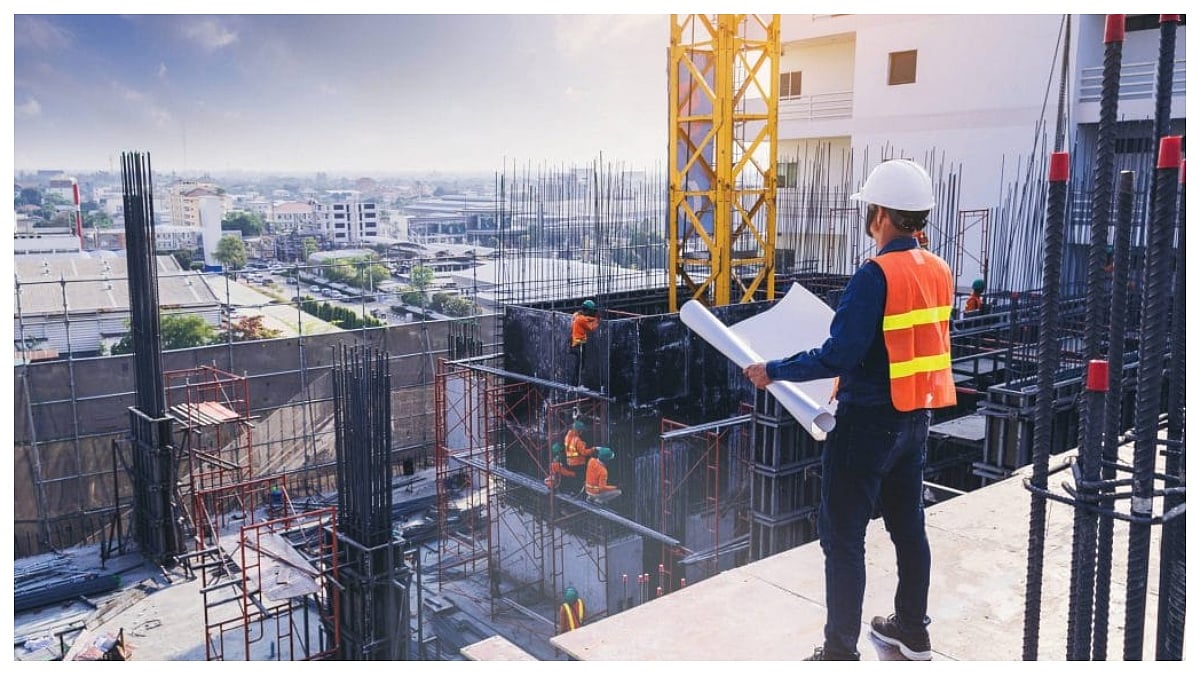
Navigating the job market in a new country can be daunting, especially for international engineers looking to establish their careers in the Netherlands. Fortunately, there are a wealth of resources available to assist you in finding the right job and successfully integrating into the Dutch engineering sector. From specialized job portals to networking opportunities, this guide Artikels essential resources that can enhance your job search and professional development.
Job Portals for Engineering Roles
Identifying the right platform to search for job opportunities can significantly impact your job hunt. Here are some specialized job portals that focus on engineering roles in the Netherlands:
- Engineering.nl – A comprehensive job board specifically for engineering professionals, featuring listings across various sectors.
- Indeed.nl – A widely recognized job portal with countless options, including a dedicated section for engineering roles in the Netherlands.
- Monsterboard.nl – Offers a variety of job listings, allowing users to filter searches according to specific engineering disciplines.
- Intermediair.nl – An excellent resource for professionals seeking mid-level to senior engineering positions, with a strong emphasis on career development.
- LinkedIn – Utilize LinkedIn’s job search feature with specific filters to find engineering positions, while also expanding your professional network.
Networking Opportunities in the Dutch Engineering Sector
Building a strong network is crucial for success in securing engineering jobs in the Netherlands. Engaging with industry professionals can open doors to job opportunities. Here are some effective ways to network:
- Professional Associations – Join organizations such as the KIVI (Royal Institute of Engineers) or IEEE Netherlands Section to connect with fellow engineers and attend events.
- Meetups and Conferences – Participate in engineering meetups, seminars, and conferences to meet like-minded professionals and gain insights into industry trends.
- Social Media Groups – Engage in relevant LinkedIn groups and Facebook communities dedicated to engineering, where job leads and industry discussions take place.
- Networking Events – Attend local networking events hosted by engineering firms or educational institutions to meet potential employers and enhance your visibility.
Language Requirements and Proficiency Expectations
While many engineering jobs in the Netherlands are conducted in English, understanding the local language can significantly enhance your employability and integration into the workplace. Here’s what you need to know about language requirements and proficiency expectations:
- Language of Instruction – Many engineering programs at Dutch universities are offered in English, making it possible for non-Dutch speakers to study and work.
- Proficiency Levels – Employers often expect at least a basic level of Dutch (A1-A2) for roles involving client interactions, while advanced positions may require higher proficiency (B2 and above).
- Language Courses – Consider enrolling in Dutch language courses available through local institutions or online platforms to improve your language skills.
- Workplace Environment – Being conversant in Dutch can facilitate better communication with colleagues and contribute to a more inclusive work environment.
FAQ Summary
Engineering jobs netherlands visa sponsorship – What types of engineering roles are in demand in the Netherlands?
Fields like software engineering, civil engineering, and mechanical engineering are particularly sought after, driven by technological advancements and infrastructure projects.
How long does the visa sponsorship process take?
The visa sponsorship process can take anywhere from a few weeks to several months, depending on the specific visa type and the applicant’s situation.
Are there language requirements for engineering jobs?
While many companies operate in English, proficiency in Dutch can enhance job prospects and workplace integration.
What are common challenges faced by international applicants?
Challenges include navigating bureaucratic processes, understanding local job markets, and adapting to cultural differences in the workplace.
Which job portals are best for finding engineering jobs in the Netherlands?
Popular job portals include LinkedIn, Indeed, and specialized sites like Engineering.com and DutchJobBoard.com.