
Healthcare Jobs Netherlands For Immigrants Opportunities Await
Overview of Healthcare Jobs in the Netherlands
The healthcare job market in the Netherlands offers a diverse landscape brimming with opportunities for both local and international professionals. As the nation prioritizes high-quality healthcare and an aging population increases the demand for medical services, the need for skilled healthcare workers has surged significantly. This demand creates a robust environment for immigrants seeking to contribute their expertise in various healthcare roles.
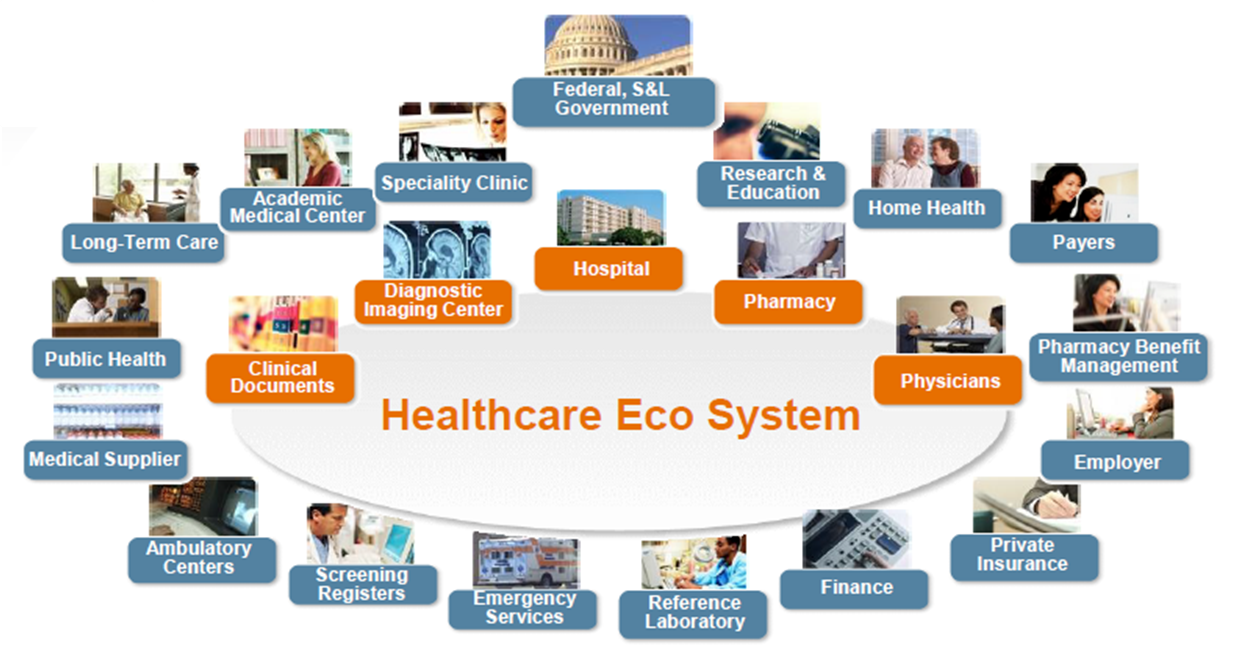
The healthcare sector in the Netherlands encompasses a wide range of professions, from nursing and general practitioners to specialized medical fields and allied health services. The roles available are not limited to hospitals; they extend to clinics, elderly care facilities, and mental health organizations, among others. With this breadth of options, it is essential for prospective healthcare professionals to understand the specific qualifications and certifications required to practice in the Netherlands.
Demand for Healthcare Professionals, Healthcare jobs netherlands for immigrants
The Netherlands is currently facing a notable shortage of healthcare professionals, driven largely by an increase in the elderly population and a rise in chronic diseases. This shortage manifests across various roles, including:
- Nurses: There is a particular need for registered nurses, particularly in geriatric care and specialist nursing roles.
- General Practitioners: As the first point of contact in the healthcare system, GPs are crucial in managing patient care, and their demand continues to grow.
- Specialists: Physicians in fields such as geriatrics, cardiology, and psychiatry are in high demand due to the aging population and the complexity of health needs.
- Allied Health Professionals: Roles such as physiotherapists, occupational therapists, and radiographers are also essential as they support the recovery and rehabilitation of patients.
The ongoing shortage indicates that now is an advantageous time for immigrants to enter the Dutch healthcare workforce, as the system actively seeks capable professionals to address these gaps.
Qualifications and Certifications Required
To secure a position in the Dutch healthcare sector, specific qualifications and certifications are necessary to ensure compliance with national standards. The following elements are critical for aspiring healthcare professionals:
- Recognition of Foreign Qualifications: Immigrants must have their healthcare qualifications recognized by the Dutch authorities, which often involves a credential evaluation process.
- Language Proficiency: Proficiency in Dutch is typically required, as effective communication with patients and colleagues is paramount in delivering quality care.
- Professional Registration: Many healthcare roles necessitate registration with a relevant professional body, such as the BIG register for medical practitioners.
- Additional Training: Depending on the profession, further training or adaptation programs might be needed to familiarize immigrants with the Dutch healthcare system and practices.
These qualifications ensure that healthcare professionals are well-equipped to meet the needs of the Dutch population while maintaining the high standards expected in the healthcare sector. The commitment to continuous education and adaptation is essential for success in this dynamic field.
Immigration Process for Healthcare Workers
Navigating the immigration process as a healthcare professional moving to the Netherlands can seem daunting, but understanding the steps involved can significantly simplify the journey. The Netherlands offers a welcoming environment for foreign healthcare workers, ensuring that qualified professionals can contribute to the vibrant healthcare system while also enriching their own lives through cultural integration and career growth.
The immigration process for healthcare professionals involves several key steps, each requiring specific documentation and permits. The pathway typically begins with securing a job offer from a Dutch employer, as this is a crucial requirement for obtaining a residence permit. Once you have a job offer, you will need to apply for a residence permit and a work permit, which are essential for legally working and living in the Netherlands.
Necessary Documentation and Permits
Understanding the necessary documentation and permits is crucial for a smooth immigration process. Here are the key requirements you will need to fulfill:
- Job Offer: A verifiable employment contract from a healthcare organization in the Netherlands is essential.
- Residence Permit: You must apply for a residence permit through the Dutch Immigration and Naturalisation Service (IND), which allows you to stay in the country for work purposes.
- Work Permit: In most cases, your employer will need to apply for a work permit on your behalf, ensuring compliance with Dutch labor laws.
- Professional Qualifications: Documentation proving your qualifications and skills in the healthcare sector is necessary, often requiring validation through the relevant Dutch authorities.
- Language Proficiency: Depending on the position, evidence of proficiency in Dutch or English may be necessary, particularly for roles that require direct patient interaction.
- Health Insurance: Upon arrival, securing health insurance is mandatory, as it is essential for accessing the healthcare system.
The immigration process can vary based on individual circumstances, including nationality and specific job roles. It is advisable to check the latest regulations on the IND website or consult with an immigration advisor to ensure that all requirements are met.
Integration Process and Support Systems
Integrating into Dutch society is a vital aspect for immigrants, especially those working in healthcare. The Netherlands has established various support systems to facilitate this transition for foreign healthcare workers.
The integration process typically includes language courses, cultural orientation sessions, and professional training tailored to the Dutch healthcare system. Many organizations, including local municipalities and healthcare institutions, provide resources to assist immigrants in adapting to their new environment.
Here is an overview of the support systems available:
- Language Courses: Many municipalities offer subsidized language courses aimed at improving communication skills, which is critical in the healthcare sector.
- Cultural Orientation: Programs that familiarize immigrants with Dutch customs, values, and healthcare practices help to build a sense of community and belonging.
- Professional Networks: Joining professional associations or networks can facilitate connections with fellow healthcare workers, enhancing both social and professional integration.
- Mentorship Programs: Some healthcare organizations provide mentorship opportunities, pairing newcomers with experienced professionals to guide them through the early stages of their careers in the Netherlands.
By leveraging these resources, healthcare workers can ease their transition and become valuable members of the Dutch healthcare system while enjoying a fulfilling personal and professional life in their new home.
Cultural and Language Considerations: Healthcare Jobs Netherlands For Immigrants
In the dynamic field of healthcare, understanding cultural nuances and possessing language proficiency are pivotal for immigrants seeking job opportunities in the Netherlands. The integration into a new environment requires not only professional skills but also a grasp of the local language and culture, which can significantly influence patient interactions and teamwork dynamics.
Language proficiency is a critical factor in securing healthcare jobs in the Netherlands. Most employers expect healthcare professionals to communicate effectively with patients, colleagues, and other stakeholders in Dutch. While many Dutch people speak English, especially in urban areas, fluency in Dutch can enhance job prospects and improve patient care. Effective communication fosters trust and clarity, which are essential in healthcare settings.
Importance of Language Proficiency
Acquiring language skills is fundamental for immigrants in the Dutch healthcare system. Proficiency in Dutch is not only a requirement for many positions but also a tool for building rapport with patients and colleagues. Here are some key points regarding the importance of language skills:
– Improved Patient Care: Understanding patients’ needs, concerns, and medical histories is crucial in delivering effective care. Proficient communication in Dutch allows for accurate interpretation of symptoms and fosters a comforting environment for patients.
– Team Collaboration: Working in a healthcare team requires clear communication. Proficiency in Dutch facilitates better collaboration with colleagues, which can lead to improved healthcare outcomes.
– Legal and Ethical Compliance: Many healthcare regulations and documentation are in Dutch. Understanding the language helps ensure compliance with legal requirements and enhances the ethical delivery of care.
Adapting to Dutch Culture in Healthcare
Embracing Dutch culture is equally important for immigrants entering the healthcare field. Adapting to cultural norms can enhance workplace relationships and improve patient interactions. Here are practical tips for adjusting to the Dutch healthcare environment:
– Understand the Dutch Directness: The Dutch are known for their straightforward communication style. Embrace directness as a form of honesty and clarity, rather than viewing it as rudeness.
– Emphasize Work-Life Balance: The Dutch value a healthy work-life balance. Be mindful of colleagues’ time and personal commitments, and respect boundaries in the workplace.
– Participate in Team Activities: Engaging in team-building activities fosters connections and helps you understand your colleagues better. Attend social gatherings or informal meetings to build rapport.
Resources for Learning Dutch and Cultural Orientation
Various resources are available to aid immigrants in learning the Dutch language and understanding cultural nuances. Accessing these resources can pave the way for a smoother transition into the Dutch healthcare system. Here are some valuable options:
– Language Courses: Institutions like the Dutch Language Union offer comprehensive courses tailored for healthcare professionals. These programs focus on medical vocabulary and real-life communication scenarios.
– Online Learning Platforms: Websites such as Duolingo and Babbel provide interactive lessons that allow learners to practice Dutch at their own pace, with a focus on conversational skills.
– Cultural Workshops: Many organizations offer workshops that focus on Dutch customs, healthcare practices, and communication styles. Participating in these workshops can provide deeper insights into the Dutch healthcare culture.
– Community Groups: Joining local expat groups or cultural associations can facilitate networking and provide opportunities to practice Dutch in social settings. Engaging with locals can enhance language skills and deepen cultural understanding.
With these considerations in mind, immigrants can better navigate the challenges of securing healthcare jobs in the Netherlands while enriching their professional and personal lives.
Opportunities for Professional Development

The healthcare sector in the Netherlands offers a multitude of professional development opportunities for immigrants. As the demand for skilled healthcare professionals rises, it becomes increasingly crucial for individuals to enhance their expertise and adapt to the local practices and standards. Continuous education and specialization not only improve employment prospects but also foster a deeper understanding of the dynamic healthcare environment.
Organizations Offering Training and Professional Development
Numerous organizations provide training and development resources tailored for healthcare immigrants. These organizations facilitate skill enhancement and offer a pathway to integration into the Dutch healthcare system.
- Rinnoo: This platform specializes in language courses and cultural training specifically designed for healthcare workers, ensuring that they can effectively communicate with patients and colleagues.
- VUmc Academy: Affiliated with the VU Medical Center, this academy offers specialized courses and workshops focusing on various medical fields, enhancing the qualifications of healthcare professionals.
- Hogeschool van Amsterdam: The Amsterdam University of Applied Sciences provides nursing programs and continued education courses, promoting lifelong learning among healthcare practitioners.
- Healthcare Academy: This organization offers a range of professional courses, certifications, and training programs aimed at improving skills and knowledge in diverse healthcare areas.
- Inholland University of Applied Sciences: Known for its international healthcare programs, Inholland provides both undergraduate and postgraduate opportunities for continuous professional development.
Importance of Continuous Education and Specialization
In the ever-evolving field of healthcare, continuous education is imperative. Specialization allows professionals to keep pace with advancements and maintain high standards of patient care.
“Continuous professional development is essential for healthcare workers to adapt to new technologies, treatment methods, and regulatory changes.”
Healthcare specialists often find themselves in a competitive job market, where additional certifications and specialized skills can set them apart. Engaging in continuous education not only enriches one’s knowledge base but also enhances career advancement opportunities, making it a smart investment for immigrants seeking to establish their careers in the Netherlands.
Networking Opportunities for Immigrants in the Healthcare Sector
Networking plays a crucial role in career development, especially for immigrants entering the healthcare field. Building connections can lead to mentorship opportunities, job referrals, and collaborations that enhance professional development.
Many organizations and events provide platforms for healthcare professionals to network. Examples include:
- International Healthcare Conference: An annual event where healthcare professionals gather to discuss innovations and share experiences, providing ample networking opportunities.
- LinkedIn Groups: Various professional groups on LinkedIn focus on healthcare sectors in the Netherlands, allowing immigrants to connect, share knowledge, and seek job opportunities.
- Local Meetups and Workshops: Community-driven events where healthcare professionals can come together, learn from each other, and form valuable connections.
- Professional Associations: Joining associations such as the Dutch Nurses Association can provide access to networking events, resources, and support systems specifically tailored for healthcare immigrants.
Embracing these opportunities for professional development not only aids immigrants in navigating their careers in the Netherlands but also enriches the overall healthcare landscape by fostering a diverse and skilled workforce.
Top FAQs
Healthcare jobs netherlands for immigrants – What types of healthcare jobs are available in the Netherlands?
The Netherlands offers a variety of healthcare jobs including nursing, physiotherapy, medical research, and specialized positions like radiology and surgery.
Is Dutch language proficiency mandatory for healthcare jobs?
Yes, while some positions may require English, proficiency in Dutch is crucial for effective communication with patients and colleagues.
What qualifications are needed to work in healthcare in the Netherlands?
Qualifications vary by profession, but generally, a recognized degree in healthcare and relevant certifications are required.
How can immigrants find support for integration into the healthcare sector?
Many organizations and networks provide guidance, training, and resources to help immigrants adapt and succeed in the Dutch healthcare environment.
Are there professional development opportunities available for immigrants?
Yes, various institutions offer continuous education, training programs, and networking opportunities to help immigrants advance their careers in healthcare.